

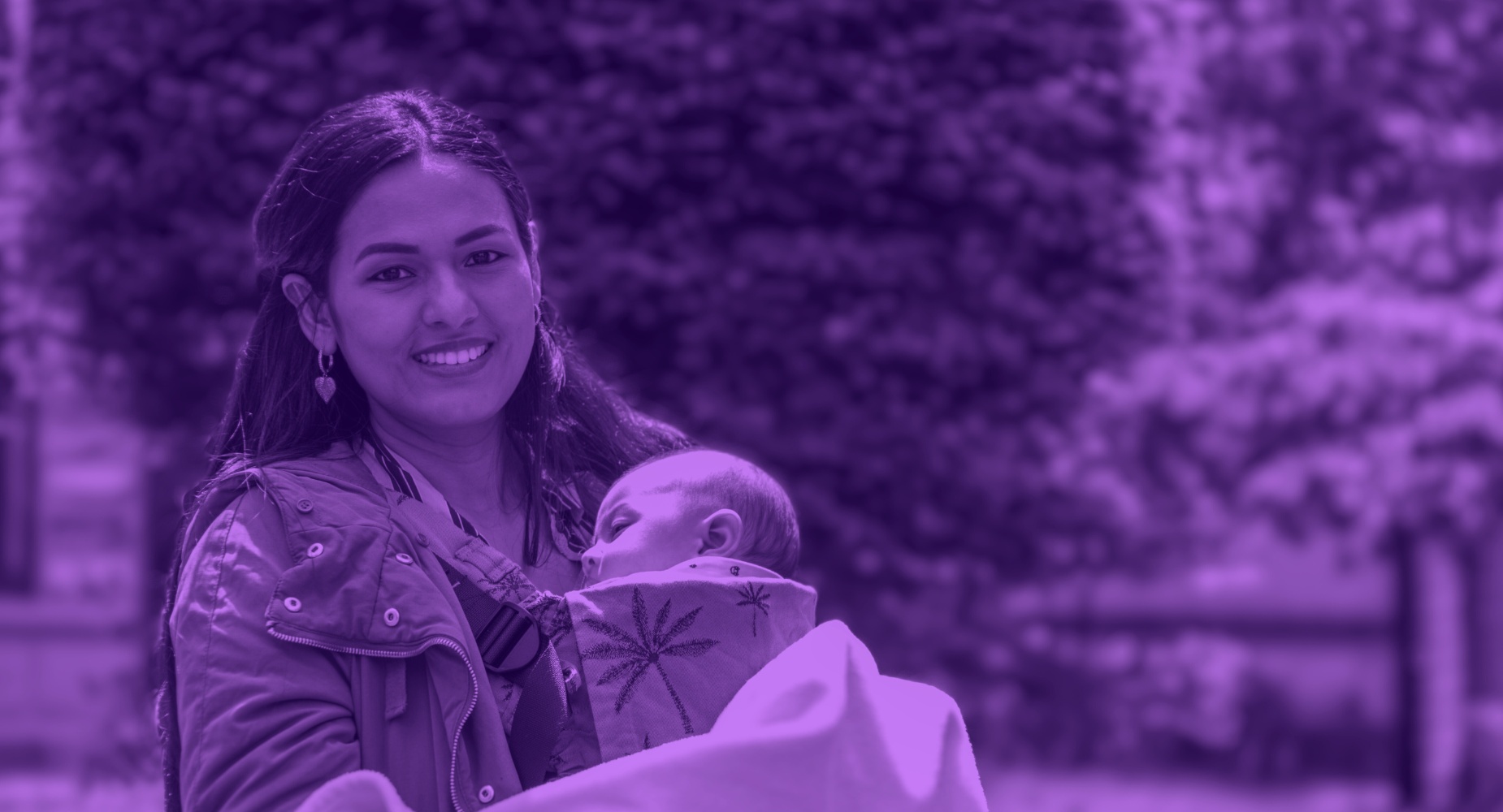
We assess the impact of climate change on perinatal health in Brazil
Climate change represents a significant threat to maternal and perinatal health. Rising temperatures, extreme weather events, and air pollution can negatively affect pregnancy outcomes. This project aims to:
Build an integrated data platform for climate and maternal/perinatal health
Assess the effect of climate change (such as extreme temperatures) on perinatal health
Understand the mechanisms through which climate affects maternal and perinatal health
Create predictive models for areas with high risks of preterm birth due to extreme temperatures


0
ºC
The global average temperature near the surface in 2023 was 1.45 ± 0.12°C above the pre-industrial average from 1850-1900. 2023 was the hottest year in the observational record (over 174 years).
CLIMATE CHANGE
Extreme weather events are becoming more common. They impact not only the climate but also our health, both directly and indirectly.
Sources: GOV.BR – The planet may exceed 1.5°C in the next five years, says World Meteorological Organization report | FOLHA DE SP: 97% of Brazilians notice climate change in daily life, according to Datafolha
CLIMATERNA
Cities better prepared to face extreme weather events
Climaterna seeks to provide support for initiatives in both the public and private sectors to protect the most vulnerable populations, especially pregnant women and newborns.
Integration
We integrate data from official birth registration systems, multicenter studies, climate monitoring centers, and national socioeconomic databases.Privacy
We employ anonymization techniques to protect individual privacy. Our research is conducted with data security for participants as a priority.A.I.
We create classification models using artificial intelligence (convolutional neural networks) to identify clusters and areas of high risk for preterm birth.0
RESEARCHERS
0
ARTICLES
0
DATA BASES
0
PARTNERS
WHO MAKES IT HAPPEN
Meet the team and partners supporting Climaterna, an initiative of the Brazilian Institute of Data Science (BI0S), the University of Campinas (Unicamp), and the Technological Innovations Foundation (FITec). Learn more here!
Rodolfo de Carvalho Pacagnella – FCM/Unicamp
- Breno Bernard Nicolau de França – IC/Unicamp
- Cristiano Torezzan – FCA/Unicamp
- Everton Emanuel Campos de Lima – IFCH/Unicamp
- Priscila Coltri – Cepagri/Unicamp
- Alexandre Xavier – UFES
- Caio Simplicio Arantes – Unicamp
- Camila Soares – Unicamp
- Charles Mpoca Charles – Unicamp
- Dimitri de Oliveira Silva – FGV
- Gabriel Moreira Motta – Unicamp
- Guilherme Almussa Leite Torres – Unicamp
- Jaqueline Nichi – Unicamp
- Kevin Hyslop – Unicamp
- Malcolm dos Reis Alves Pereira – Unicamp
- Mateus Samuel Risso – Unicamp
- Matheus Alves de Andrade – Unicamp
- Negli René Gallardo Alvarado – Unicamp
- Oluwafunmilola Deborah Awe – Unicamp
- Sergio Floquet – Unicamp, Univasf
- Valter Lacerda de Andrade Júnior – Unicamp

Blog
News, updates, and announcements
Information about our research, publications, events, and partnerships, as well as general news on maternal and perinatal health.
Our Headquarters
Climaterna Social